How the 2025 Tariffs Are Reshaping New Home Construction—and Why Now Is Still a Smart Time to Start Your Dream Home
The 2025 housing market is navigating a complex mix of challenges—rising interest rates, persistent labor shortages, and now, newly enacted federal tariffs that are driving up the cost of critical building materials. For prospective homebuilders, it can feel like the world is signaling “wait.”
But here’s the truth: there are real advantages to starting your home design project now—especially when you work with a proven, reputable home designer and plan carefully for your future build.
In this post, we’ll unpack how tariffs are affecting new home construction, and more importantly, show you how to move forward confidently despite the noise.
What the Tariffs Mean for Homebuilding
As 2025 unfolds, newly enacted federal tariffs are reshaping the economics of new home construction across the United States. These tariffs—targeting essential materials like steel, aluminum, copper, lumber, plumbing fixtures, and electrical components—are intended to bolster domestic manufacturing and address global trade imbalances. But for the residential construction sector, they’ve introduced a new layer of cost and complexity that’s reverberating through every stage of the building process.
The National Association of Home Builders (NAHB) estimates that these tariffs are adding anywhere from $8,000 to $11,000 to the cost of building an average single-family home. For custom builds, especially in rural or design-driven markets, the increase can be even higher. This additional cost burden stems not only from the direct price hikes on imported materials, but also from supply chain tightening, reduced product availability, and increased lead times for everything from roofing trusses to appliance packages.
In response, builders and developers are making critical adjustments. Many are slowing the pace of new construction starts, prioritizing homes with simplified geometries and cost-effective finishes. Others are trimming square footage, eliminating redundant spaces, and exploring alternative construction methods—like modular framing or factory-built elements—to mitigate rising costs and labor shortages. Even at the planning stage, some projects are being downsized, postponed, or restructured entirely to reflect new cost realities.
For the homebuyer or future builder, these macroeconomic shifts can seem discouraging. But in many ways, this market slowdown presents an opportunity. The surge in material costs has eased the backlog on subcontractor schedules, making it easier to find skilled tradespeople and negotiate competitive rates. In a climate where fewer builders are breaking ground, designers and architects have more bandwidth to offer personalized support and revisions. And for those who act now—by locking in a house plan, ordering a detailed materials list, and planning their construction timeline—there’s a unique chance to approach building with more control, more precision, and far less pressure.
Rather than waiting for costs to return to pre-2020 norms (a scenario that becomes less likely each year), today’s most strategic builders and homeowners are adapting their approach. With the right plan in hand and a realistic timeline, it’s still possible to build beautifully—even in a high-tariff economy.
How Home Designs Are Changing in 2025
New home construction in 2025 is undergoing a fundamental transformation. Rising costs, tighter labor markets, and shifting buyer expectations have prompted designers and builders to think leaner, smarter, and more strategically. It’s not just about cutting corners—it’s about creating homes that work harder for today’s budgets, lifestyles, and long-term durability.
Smaller Footprints, Smarter Layouts
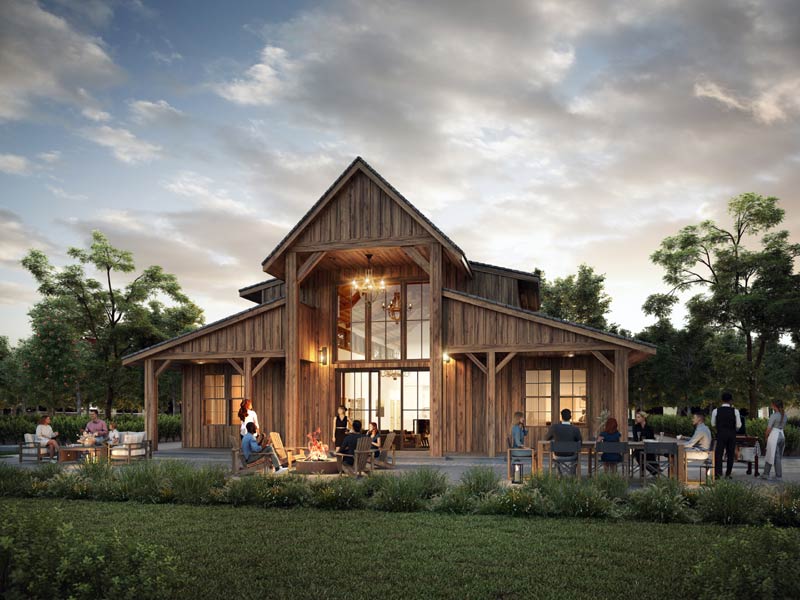
Gone are the days of sprawling floor plans with unused formal spaces. Today’s homeowners want efficiency: open living areas, flexible rooms, and purposeful flow. Modern designs are optimizing every square foot—eliminating wasted corridors, oversized foyers, and redundant features. The result? A home that feels just as spacious and functional, but is far more affordable to build, heat, and maintain.
For example, our Good and Plenty house plan delivers high-end farmhouse style in a compact, cost-efficient footprint—proof that you don’t need extra square footage to create a stunning home that lives large.
Simplified Rooflines and Materials
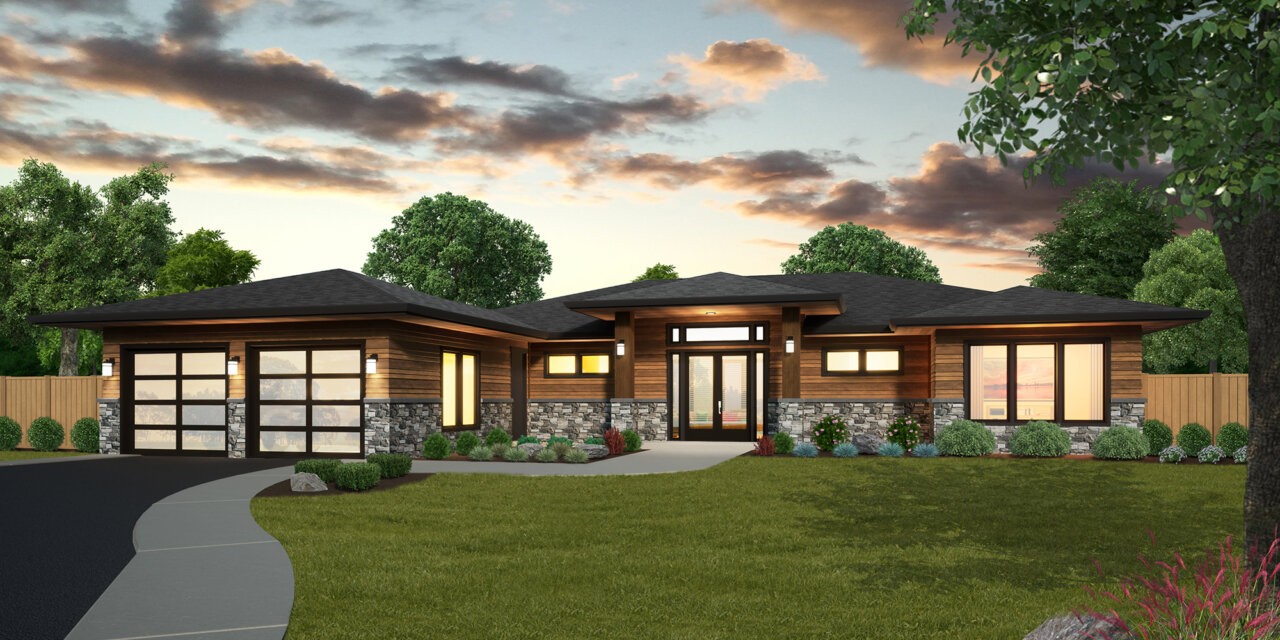
Complex roofs and exotic exterior materials can drive construction costs sky high, especially when tariffs are involved. That’s why 2025 homes are increasingly favoring simple gable, shed, or hipped rooflines that are easier—and faster—to frame. Clean geometry not only lowers labor costs but also creates a modern, timeless aesthetic.
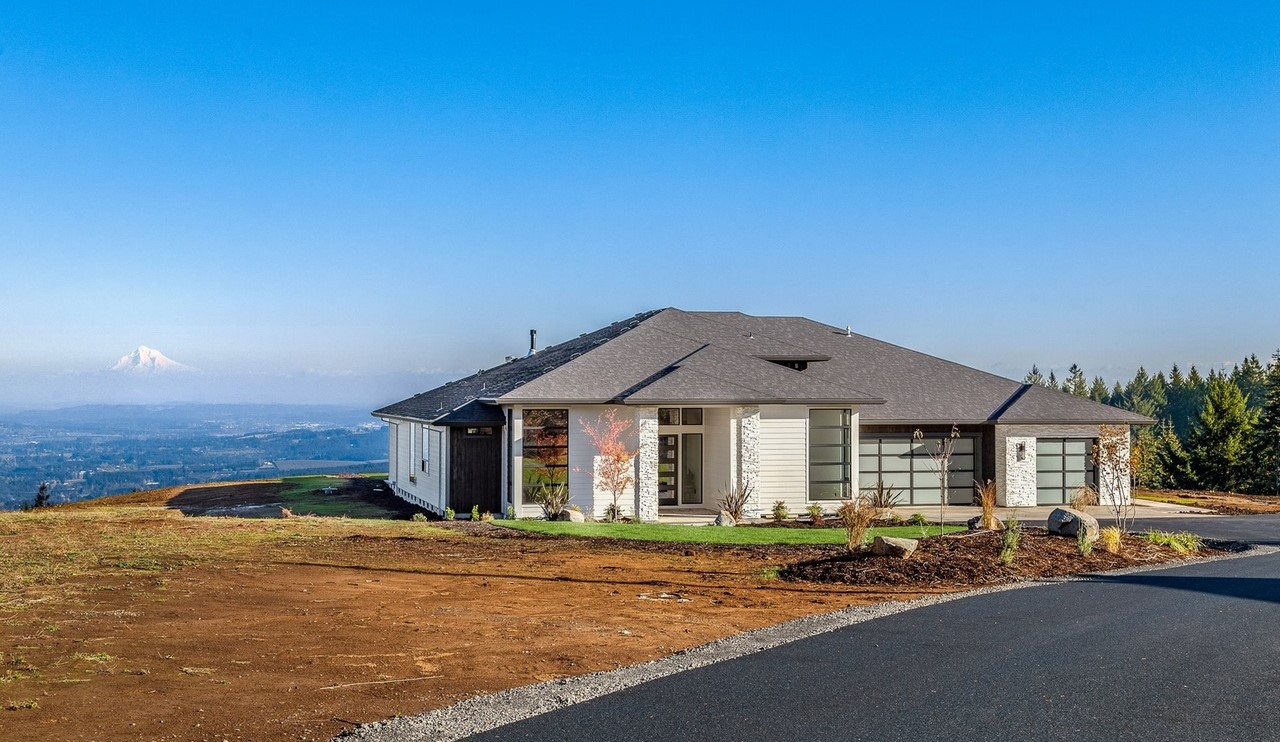
Designs like our Prairie Breeze house plan balance beauty with structural efficiency. Streamlined rooflines, straight-forward massing, and cost-conscious exterior materials make this home as budget-friendly as it is visually compelling.
Prefab and Modular Building Elements
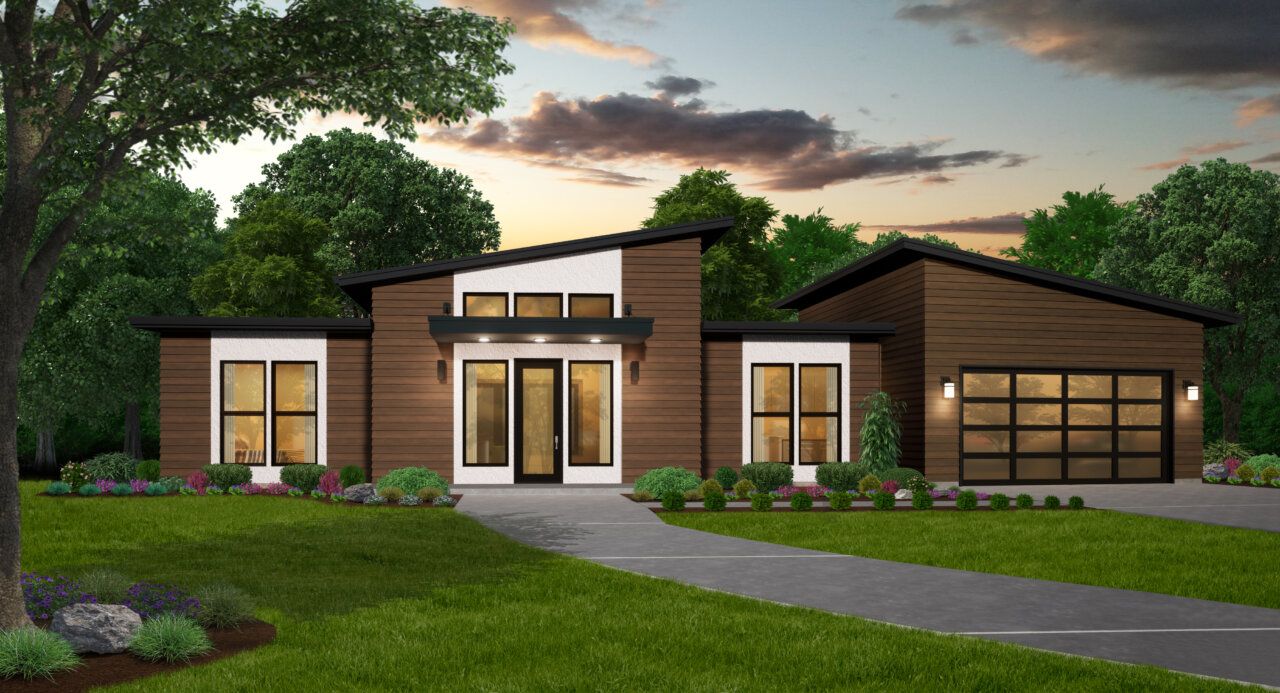
To sidestep unpredictable labor availability and reduce time on site, more builders are embracing panelized walls, factory-built trusses, and even full modular systems. These elements can be constructed in a controlled environment, often with less waste, and delivered to the job site for faster assembly.
Mark Stewart’s plans are engineered with this shift in mind. Many of our most popular homes—like the sleek and versatile Dwell house plan —are perfect candidates for modular adaptation, thanks to their simplified geometry and single-level form.
Focused Smart Home Upgrades
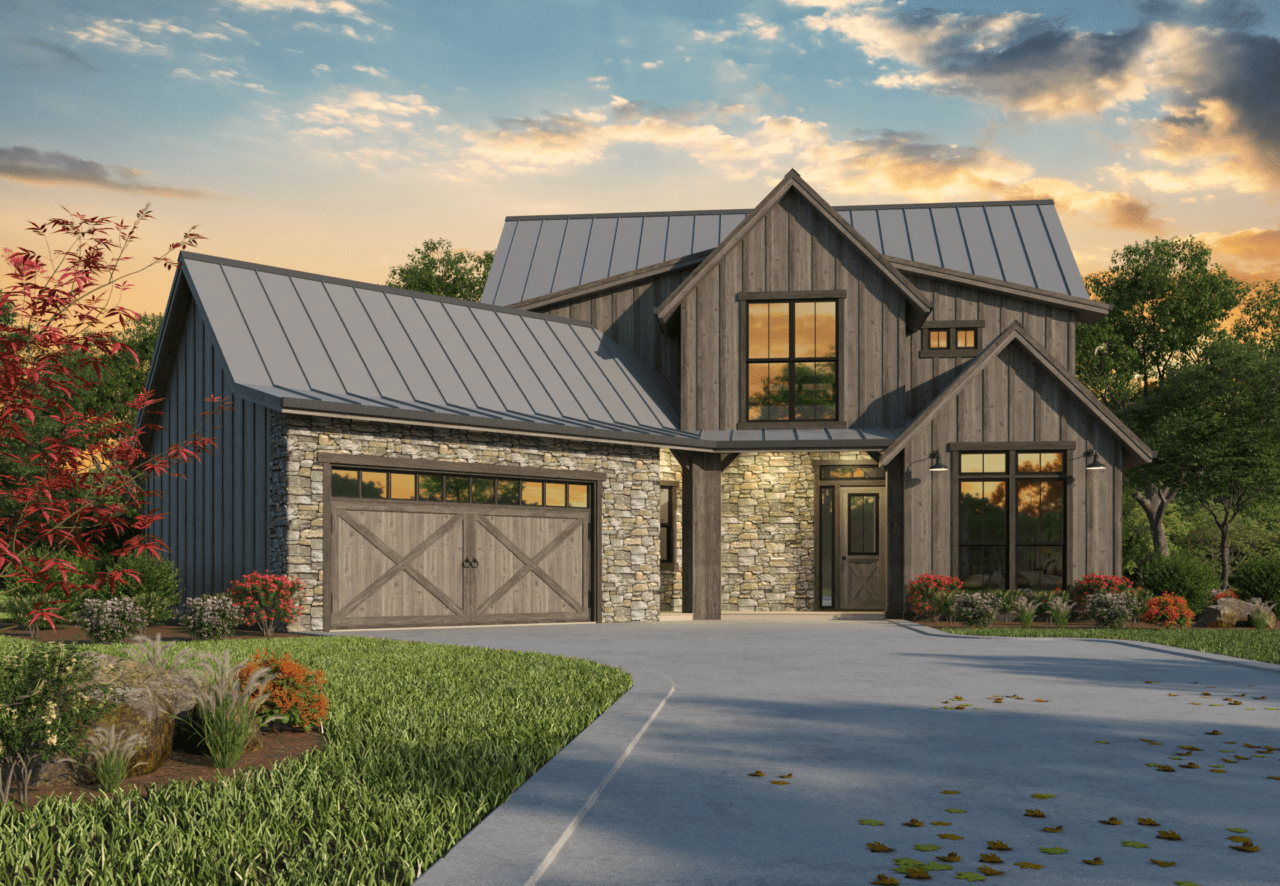
While flashy automation once dominated home tech conversations, today’s buyers are prioritizing upgrades that offer real-world value. That means investing in smart thermostats, zoned HVAC, energy monitoring systems, and prewiring for solar or EV charging—not just voice-activated lights.
Designs like Modern Homestead emphasize energy flow, natural light, and utility-conscious design—making them a perfect fit for smart, sustainable living in the years ahead.
Affordability Without Sacrificing Livability
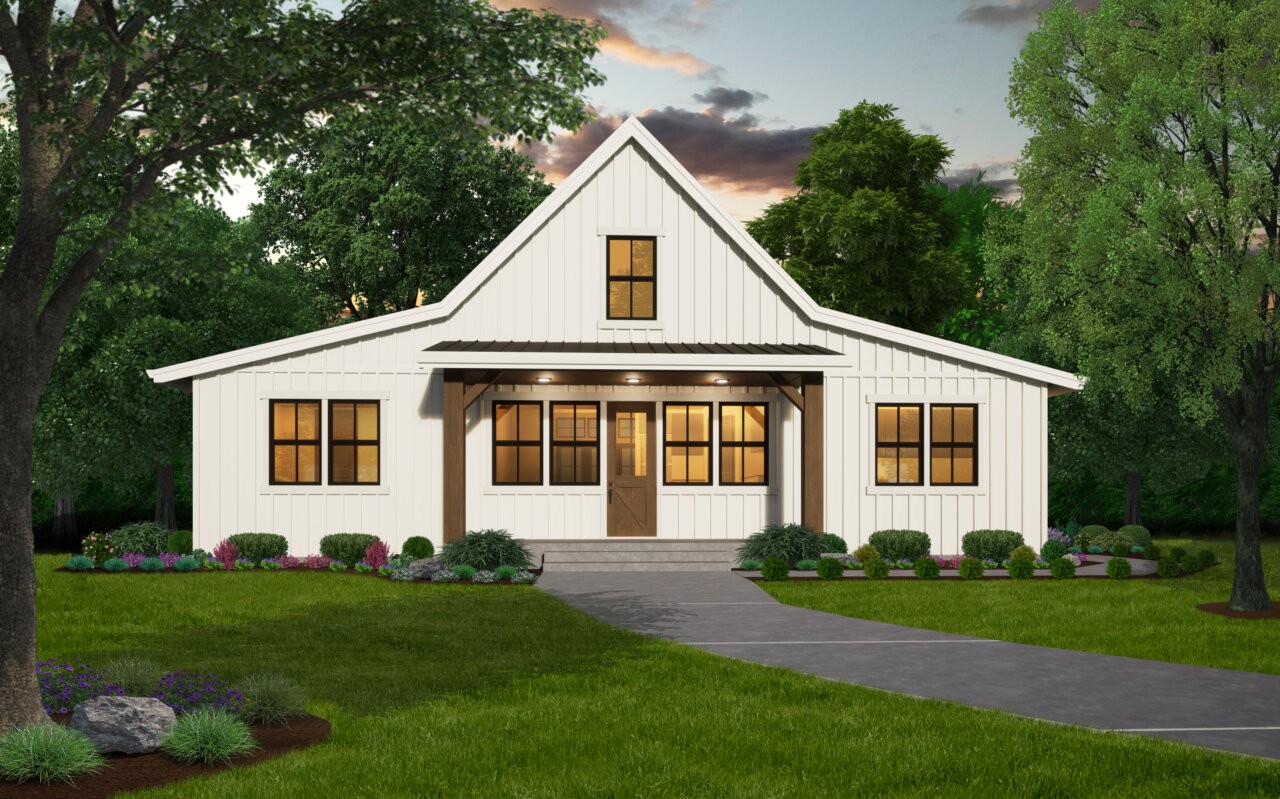
Ultimately, the biggest design shift of 2025 is the move toward homes that prioritize livability over luxury for its own sake. That doesn’t mean sacrificing beauty or innovation—it means putting intention behind every design choice. At Mark Stewart Home Design, we’ve worked to “put our bestsellers on a diet”—retaining the soul of each plan while rethinking square footage, materials, and structural elements to fit today’s cost realities.
The Hearth and Home house plan, for instance, distills the rustic charm of a barndominium into an ultra-efficient, buildable footprint—perfect for owner-builders or anyone looking to maximize value without giving up the dream of a custom home.
In short, the homes of 2025 aren’t smaller dreams—they’re smarter ones.
5 Beautiful, Budget-Smart House Plans to Consider
These plans represent the best of both worlds: top-selling designs that have been made leaner and more affordable for 2025 and beyond.
🔨 Good and Plenty
A modern farmhouse classic made more efficient, Good and Plenty offers open-concept living, a luxurious primary suite, and outstanding flexibility in a compact package.
🌾 Modern Homestead
This country-style plan brings big livability in a smart, affordable format. With vaulted ceilings and generous shared spaces, it’s warm and inviting without overspending.
🛋️ Dwell – One Story Modern
Sleek and compact, Dwell is a modern, shed-roofed home designed for downsizers or first-time builders. Clean lines and smart details make it easy to build and beautiful to live in.
🏠 Hearth and Home
This modern barndo house plan is designed for affordability, flexibility, and rustic charm. It’s especially well-suited to owner-builders looking to keep total costs down.
🌅 Prairie Breeze
Prairie Breeze blends modern prairie style with value-driven efficiency. Its streamlined roofline, open layout, and natural light make it a standout choice for budget-conscious builds.
6 Smart Reasons to Start Your House Plan Purchase Now
1. Lock in your plan now and prepare for your future build
Purchasing your house plan now—especially with a detailed materials list—lets you control timing, costs, and decisions. You can:
- Shop multiple suppliers
- Compare contractor bids accurately
- Start building when pricing and labor align with your goals
2. Take advantage of reduced versions of our top designs
Each plan above was redesigned with efficiency in mind—without losing what made it great in the first place. They are not stripped down; they’re optimized for today’s market.
3. Avoid future price increases
As demand grows for value-engineered house plans, we may be forced to raise prices. Purchasing now ensures you lock in current pricing.
4. Save up to 20% by acting as your own general contractor
Many owner-builders save 10–20% on total build cost. Our detailed plans and materials lists make this more feasible than ever.
5. Work directly with a top-tier designer
Buy directly from Mark Stewart Home Design and avoid low-quality third-party resellers. You’ll work with the original design team and ensure plan accuracy and build support.
6. Subcontractor availability is improving
While materials are up, subcontractors are pricing more competitively due to slowed pipelines. You may find top-tier labor at better rates than expected.
Final Thoughts: Prepared Homeowners Win
The effects of the 2025 tariffs are very real. They’ve reshaped material pricing, slowed construction schedules, and forced builders to think differently about every board, beam, and dollar. But within that disruption lies a powerful advantage for homeowners who are willing to take initiative.
This moment favors the prepared. If you know where you’re going—and you take time now to secure the right plans, documents, and partnerships—you’ll be in a far better position than those who wait for the “perfect” market. Because the truth is, there may never be a perfect market again. What there will be are windows of opportunity for people with foresight.
Designing your home today isn’t just about reacting to inflation or playing defense against tariffs. It’s about designing a build strategy that works for you. That means selecting a streamlined, value-engineered plan that maximizes your investment without sacrificing comfort or style. It means purchasing your plans and materials list in advance, so you can source competitively and bid contractors with clarity. And it means working directly with a professional design team who understands both aesthetics and economics—and who can guide you every step of the way.
If you’re looking to build within the next 6 to 24 months, the smartest move you can make is to start now. Secure the plans. Take control of the details. And create a foundation—both literally and figuratively—that’s ready for what’s next.
If you’re considering your own build in the next 6–24 months:
- ✅ Choose a leaner, smarter home plan
- ✅ Purchase now to lock in pricing
- ✅ Get a materials list to help you shop smart
- ✅ Work with a designer who understands where the market is going
At Mark Stewart Home Design, we’re not just selling house plans—we’re helping people build legacies. We’re here to walk with you through design decisions, site conditions, material trade-offs, and budget realities—so you can build a home that doesn’t just look great, but lives well and lasts long.
Let the market shift. Let the headlines come and go. The homeowners who win are the ones who prepare with purpose, plan with confidence, and design with a team that understands how to build smarter—today, tomorrow, and well into the future.