
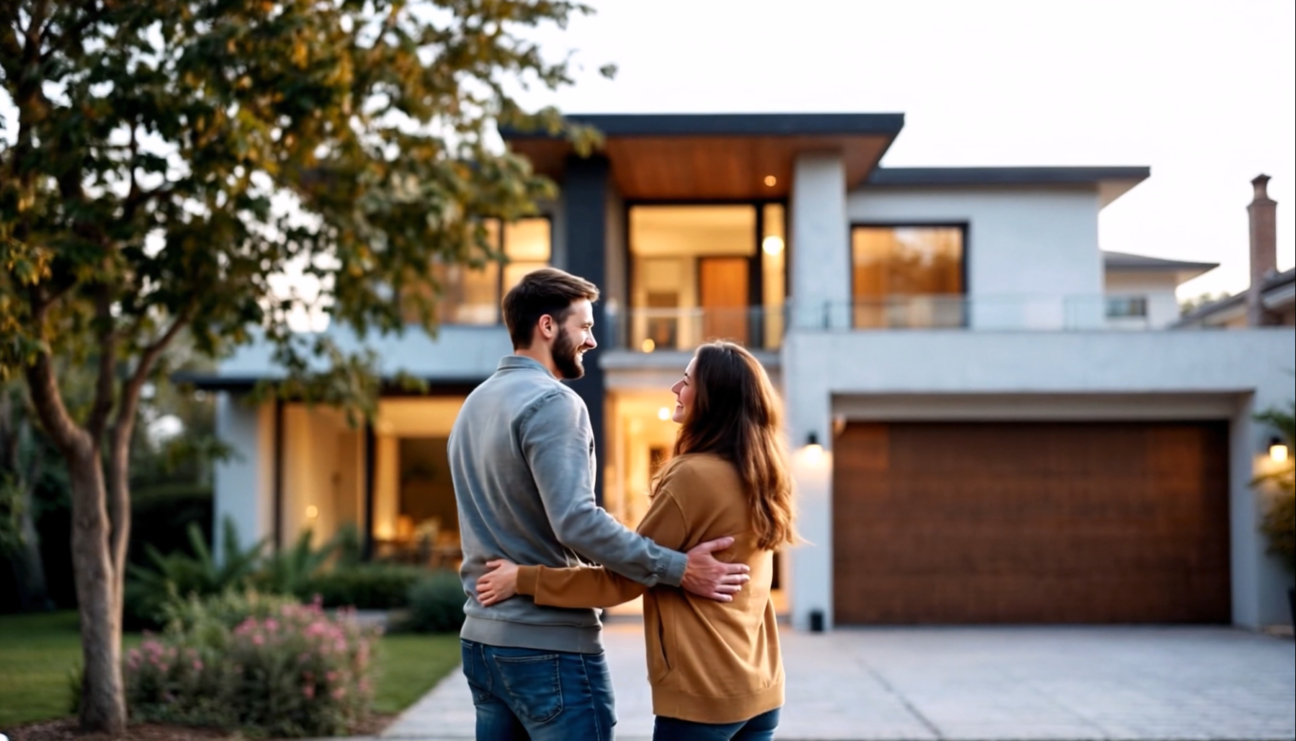
The Challenges Are Real — But So Are the Rewards
 It’s no secret that building a new home today presents serious challenges—perhaps more than ever before. Rising interest rates, elevated construction costs, and continued labor shortages have made the process feel out of reach for many buyers. Materials like concrete, drywall, and custom windows remain volatile in price, and skilled subcontractors are booked months out, particularly in high-demand regions. At the same time, municipalities across North America have introduced increasingly complex permit processes, new energy codes, and design restrictions, extending project timelines and complicating the path to breaking ground.
Financing can also feel like an uphill battle. Construction loans are subject to tighter scrutiny, often requiring larger down payments, pre-construction appraisals, and equity positions that many first-time homebuyers struggle to meet. Meanwhile, the availability of affordable, buildable land is shrinking, especially near urban centers, and the uncertainty of cost overruns or delays can be intimidating. But even in this high-friction environment, building your own home still holds powerful, strategic, and deeply personal advantages—many of which are only possible through new construction.
1. Total Personalization and Design Freedom
 When you build new, you’re not forced to accept someone else’s vision. You have the opportunity to create a space that’s uniquely yours—tailored to your lifestyle, your tastes, and your future. Whether you’re designing a home office with natural light, a gourmet kitchen for hosting, or a main-floor primary suite for aging in place, you control the outcome. From the floor plan to the finishes, new construction allows you to make deliberate, thoughtful decisions that reflect how you actually want to live.
Older homes often require costly renovations just to function well for modern life. With new construction, there’s no tearing out carpet, moving walls, or gutting kitchens. Every square foot serves a purpose from day one.
2. Better Energy Efficiency and Lower Utility Costs
Modern homes are built to dramatically higher energy standards than homes from just a decade ago. New codes emphasize air sealing, insulation, HVAC performance, window technology, and energy-efficient lighting. When you build today, your home is likely to include features like heat pumps, tankless water heaters, high-efficiency furnaces, and advanced building envelopes that minimize energy waste.
Over time, these improvements result in substantial monthly savings. Compared to older homes, new builds can save 30–50% on energy bills, translating into thousands of dollars over the life of the home. Plus, integrating solar panels or EV charging infrastructure during construction is far more affordable than retrofitting later.
3. Stronger Resale Value and Long-Term Appreciation
 A well-designed new home in a growing area is a solid long-term investment. New homes tend to appreciate more steadily than older homes, especially when they include desirable features like open-concept layouts, modern kitchens, and high-efficiency systems. As housing stock ages, newly built homes remain more attractive to future buyers—especially those unwilling to take on the unknown risks of older properties.
And because you control the design, you can make choices that support resale value—selecting timeless materials, popular layouts, and durable finishes that will appeal to future buyers as much as they do to you now.
4. Immediate Equity Opportunities
When you build smart—by choosing the right land, using a professionally designed house plan, and managing costs—you often walk into your home with built-in equity. Many new homeowners find that their completed home appraises for more than they paid to build it. This is especially true for owner-builders or those who act as their own general contractor and take advantage of sweat equity.
Even buyers who hire a builder outright can gain equity by avoiding overpriced resale homes and selecting a location with strong appreciation potential.
5. Modern Codes and Safer Construction
 New homes must comply with the most current structural, energy, and fire codes—which often means they’re significantly safer and more durable than older homes. Site-specific engineering ensures your foundation and framing are designed for your region’s soil, wind, and seismic conditions. Modern materials and techniques reduce the risk of mold, fire damage, and moisture intrusion.
In wildfire-prone or earthquake-sensitive regions like the Pacific Northwest, California, and parts of the Mountain West, building new is often the safest long-term decision a homeowner can make.Ple
6. Peace of Mind with Low Maintenance
One of the most practical advantages of new construction is freedom from costly repairs. You won’t need to replace an aging roof, worn-out HVAC system, or failing electrical panel for years to come. Major systems and appliances are new and often covered by warranties, reducing your out-of-pocket costs.
For many families, this peace of mind and cost predictability is a major draw—especially when compared to the potential unknowns of buying an older home with deferred maintenance.
7. Smarter, Healthier Living Environments
 New homes offer far better indoor air quality and healthier building practices than most existing homes. Low-VOC paints, formaldehyde-free cabinetry, balanced ventilation systems, and airtight envelopes all contribute to a cleaner, more breathable home. For families with allergies, asthma, or chemical sensitivities, this can be life-changing.
Technology is also easier to integrate in a new build. From smart thermostats and lighting to built-in home security and automated blinds, your home can work for you from day one—without patching together aftermarket solutions.
8. Potential Grants, Incentives, and Tax Benefits
Depending on your location, building a new home may qualify you for local or state rebates for energy-efficient construction, solar installations, or fire-resistant upgrades. First-time builders and certain income brackets may benefit from reduced permitting fees or down payment assistance. Mortgage interest and property taxes also remain deductible in most circumstances.
If you plan to include renewable energy systems, the federal solar tax credit can offset a significant portion of the cost.
9. Avoiding Bidding Wars and Unseen Risks
 The resale market remains fiercely competitive in many regions, with buyers routinely paying over asking price for homes that still require costly updates. In some cases, buyers are waiving inspections and taking on substantial risk just to win the deal.
Building new gives you full transparency—every wire, pipe, and wall is placed according to your specifications. There are no mystery repairs, no structural surprises, and no frantic bidding wars. It’s a process that requires patience, but offers control and clarity in return.
10. Future-Proofing for the Next 30+ Years
New construction allows you to design for what’s coming—not just what’s trending now. You can include wide hallways and main-floor living for aging in place, dedicated flex spaces for working from home, and garages sized for EVs and bikes. Building today allows you to align your home with future needs—whether personal, environmental, or technological.
This kind of long-range thinking isn’t always possible with resale homes, which often require expensive remodels just to catch up to modern living standards.
Conclusion: Still the Smartest Move for Many Buyers
 Building a new home in today’s market isn’t for the faint of heart—but with the right guidance, planning, and resources, it remains one of the most empowering and rewarding ways to invest in your future. You gain full creative control, long-term savings, improved safety, and a modern lifestyle designed around how you actually live.
Despite higher interest rates and market complexity, homeowners who build today can still come out ahead—especially those who work with trusted professionals, select proven house plans, and plan carefully from the ground up. The road may be longer, but the destination is worth it.